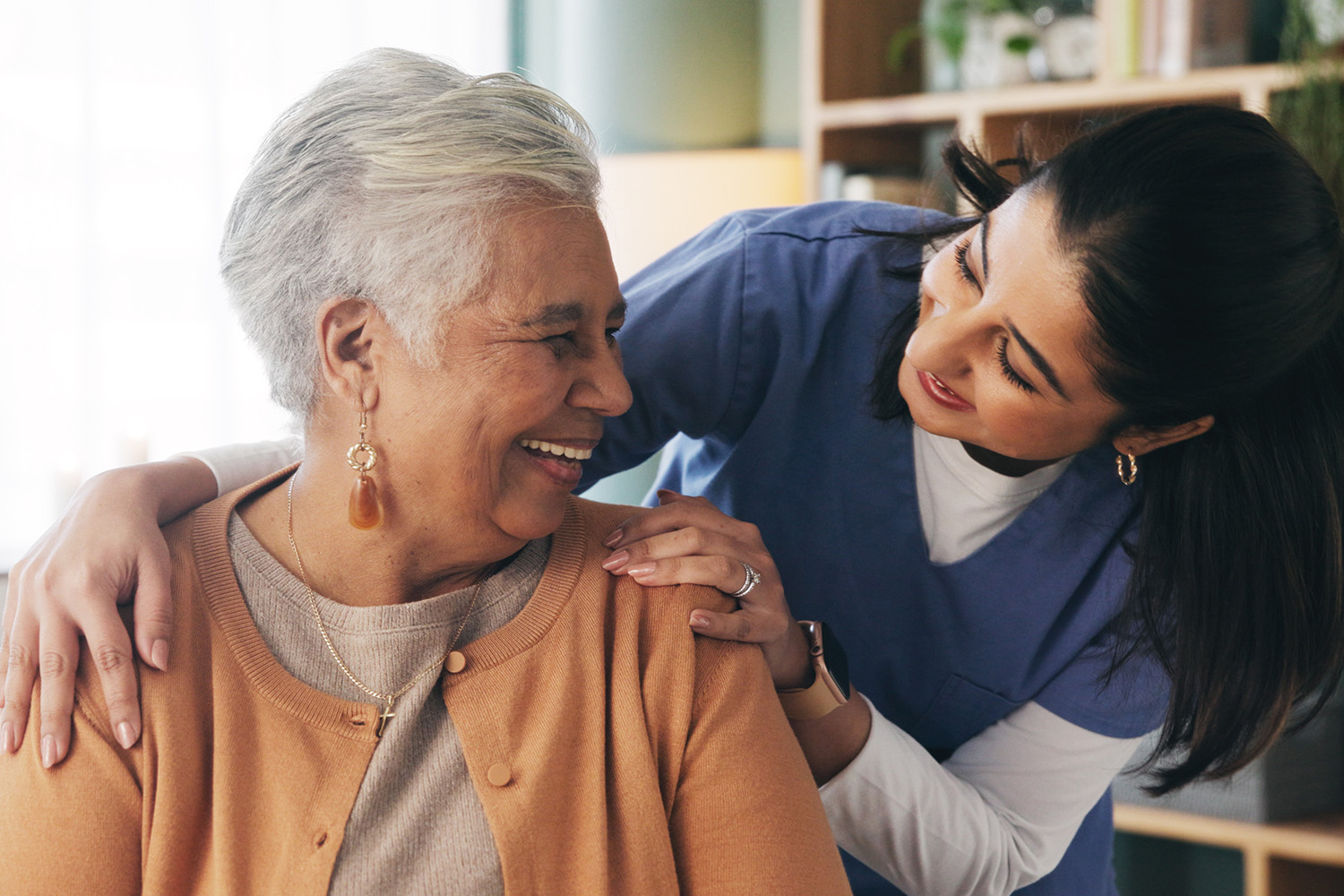
Building warm, trusting relationships to lift clients' spirits through compassion and laughter.
Loneliness and emotional isolation can deeply impact a senior's physical health and cognitive vitality. When mobility decreases or lifestyle changes occur, having a warm, familiar presence in the home makes all the difference in preserving a high quality of life.
At Grace Community Services, we treat our clients like family. Laughter and compassion are core values embedded directly into our care delivery. Our caregivers do not just execute tasks off a checklist—they engage in meaningful conversations, share hobbies, and bring lighthearted positivity into every interaction. By pairing empathetic companion care with modern technology that keeps families continuously informed, we restore peace of mind for adult children while helping aging parents thrive at home.
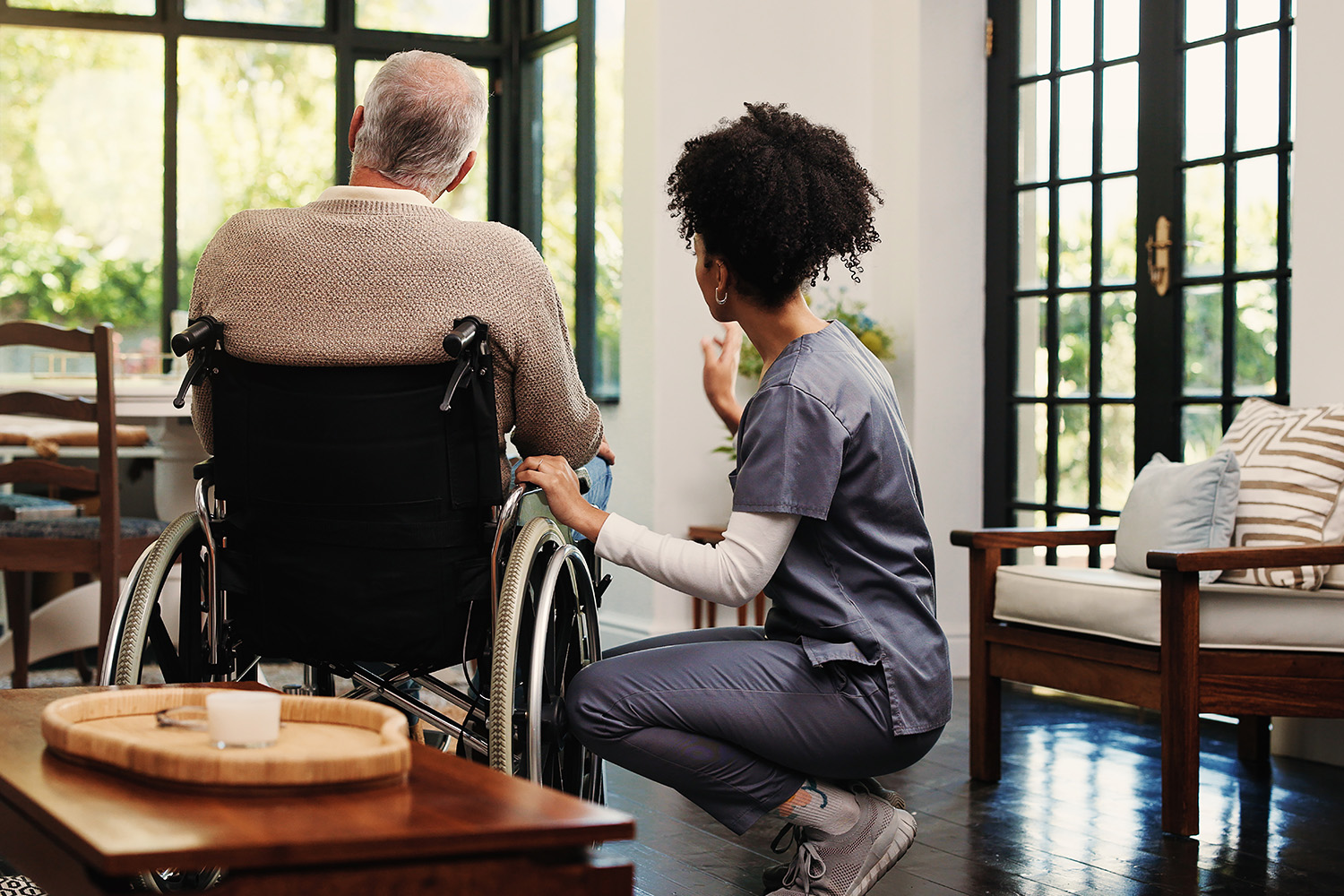
From playing cards and sharing memories to reading, crafting, or enjoying music, we keep clients mentally active, inspired, and engaged.
We provide a comforting, attentive ear for seniors navigating health transitions, helping to reduce anxiety, depression, and feelings of vulnerability.
Safe support for stepping outside, getting fresh air, gardening, or enjoying gentle walks to boost mood and overall vitality.
Meals are meant to be shared. Our caregivers transform dining into a pleasant, social experience that encourages proper nutrition and conversation.
Through our digital tracking portal, family members receive ongoing updates about their loved one’s mood, social engagement, and emotional well-being—ensuring total transparency.
Companion care focuses primarily on emotional well-being, social interaction, cognitive stimulation, and light daily support. However, because Grace Community Services provides comprehensive home care, our caregivers can seamlessly integrate personal ADL assistance (like bathing or dressing) alongside companion services as needs change.
Yes. Consistent, reassuring companionship and structured daily social routines are proven to help ease confusion, reduce agitation, and provide a safe, stabilizing presence for individuals experiencing cognitive shifts.
It is completely natural for seniors to feel protective of their independence. Our caregivers are specifically trained in empathetic integration—taking a gentle, non-intrusive approach that respects boundaries while gradually building genuine rapport and trust.
